Rules & etiquette · Order and score
Your partner served out of turn. Replay the points?
Nothing already played goes back, not even a fault. What changes is who serves next, and that depends on when you notice.
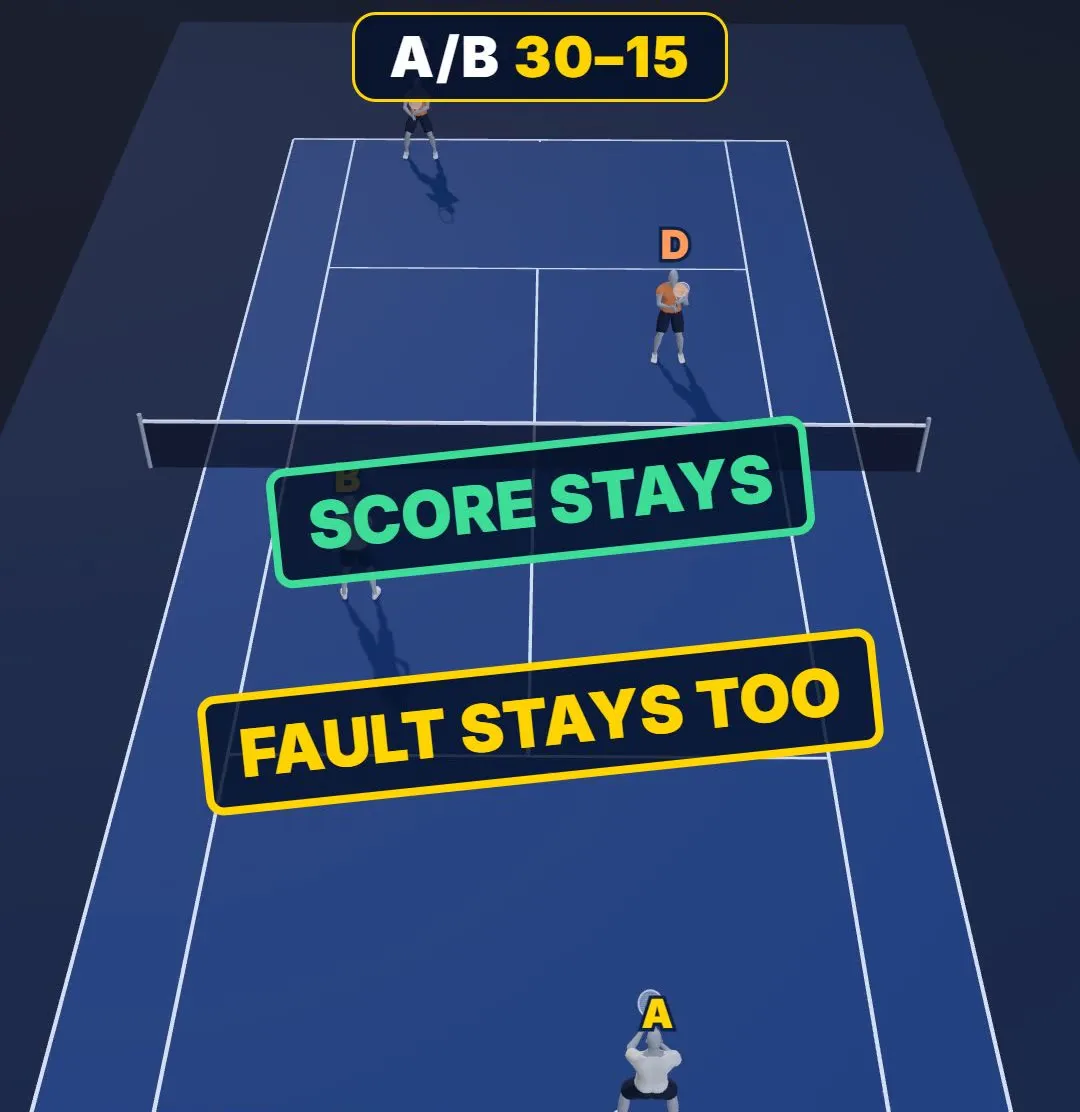
Figure 1. Found at 30-15: the right server takes over, the score stays, and a fault already served stays too.
It’s 30-15 when somebody realises your partner has been serving out of turn. Nothing gets replayed. All three points stand, and if the wrong server had just missed a first serve, that fault stands too.1
What happens to the points already played?
Rule 27 opens with a principle: when an error is discovered, every point already played stands.1 Then it fixes the order. The player who was due to serve serves as soon as the error is discovered.1
And the fault? In doubles, when partners serve out of turn, a fault already served stands.1 So the right server doesn’t start fresh. They hit a second serve, and you inherit your partner’s miss.
That was the easy case. What if nobody notices until the game is over?
What if nobody notices until the game is over?
Then the new order stays.1 Say your team is A and B, and A was due to serve game 3. B serves it, nobody notices, and the game ends. From game 3 on, the order is B, C, A, D.
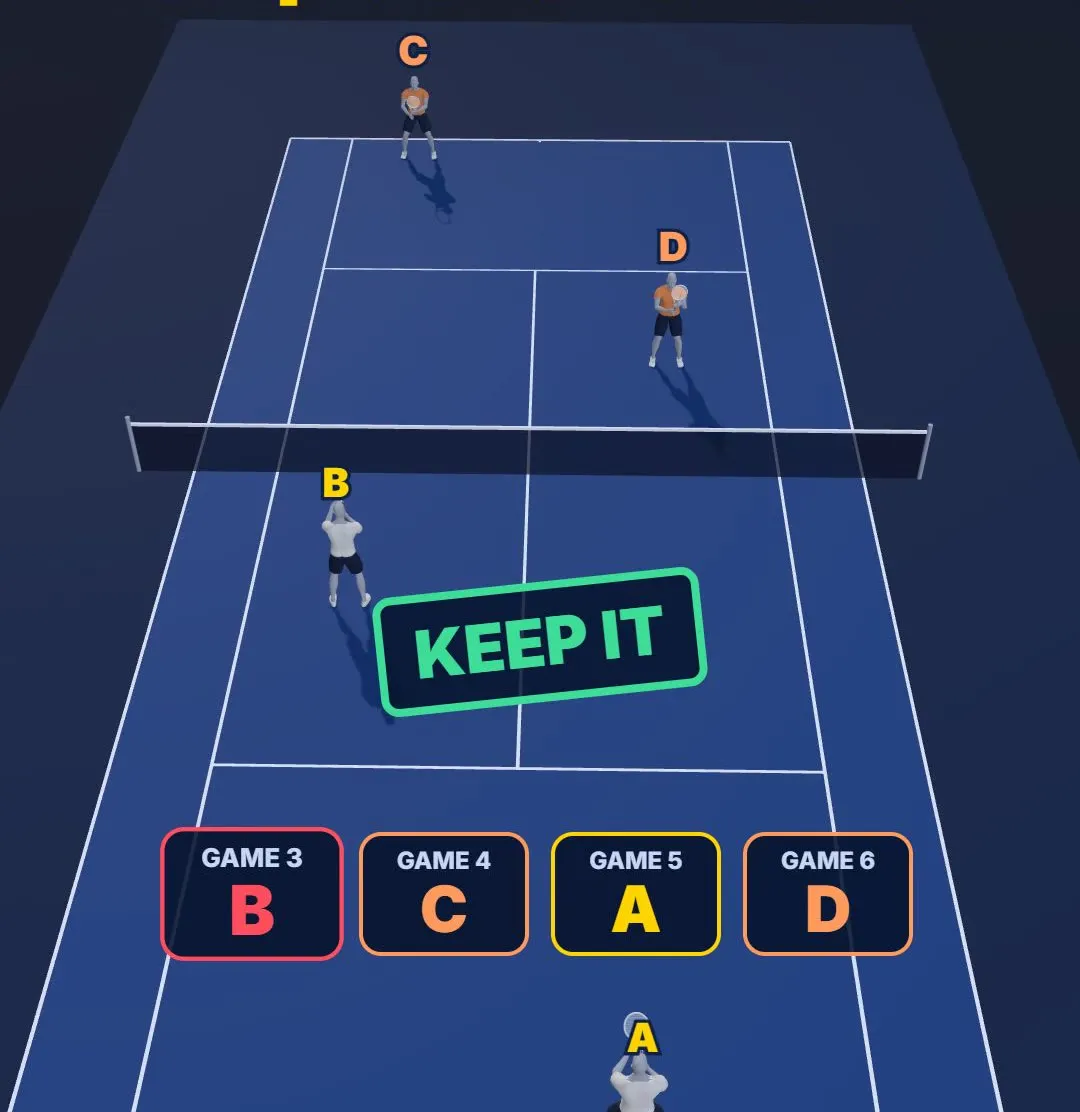
Figure 2. A should have served game 3 but B did, and the game ended before anyone noticed. From game 3 on the order stays B, C, A, D.
What if the receivers are in the wrong order?
Each receiver keeps the same side for the whole set: one takes the deuce-court serves, the other the ad-court serves.1 If they swapped by mistake, the wrong order lasts until the end of the game in which it is discovered. In the next game you receive, you go back to the original order.1
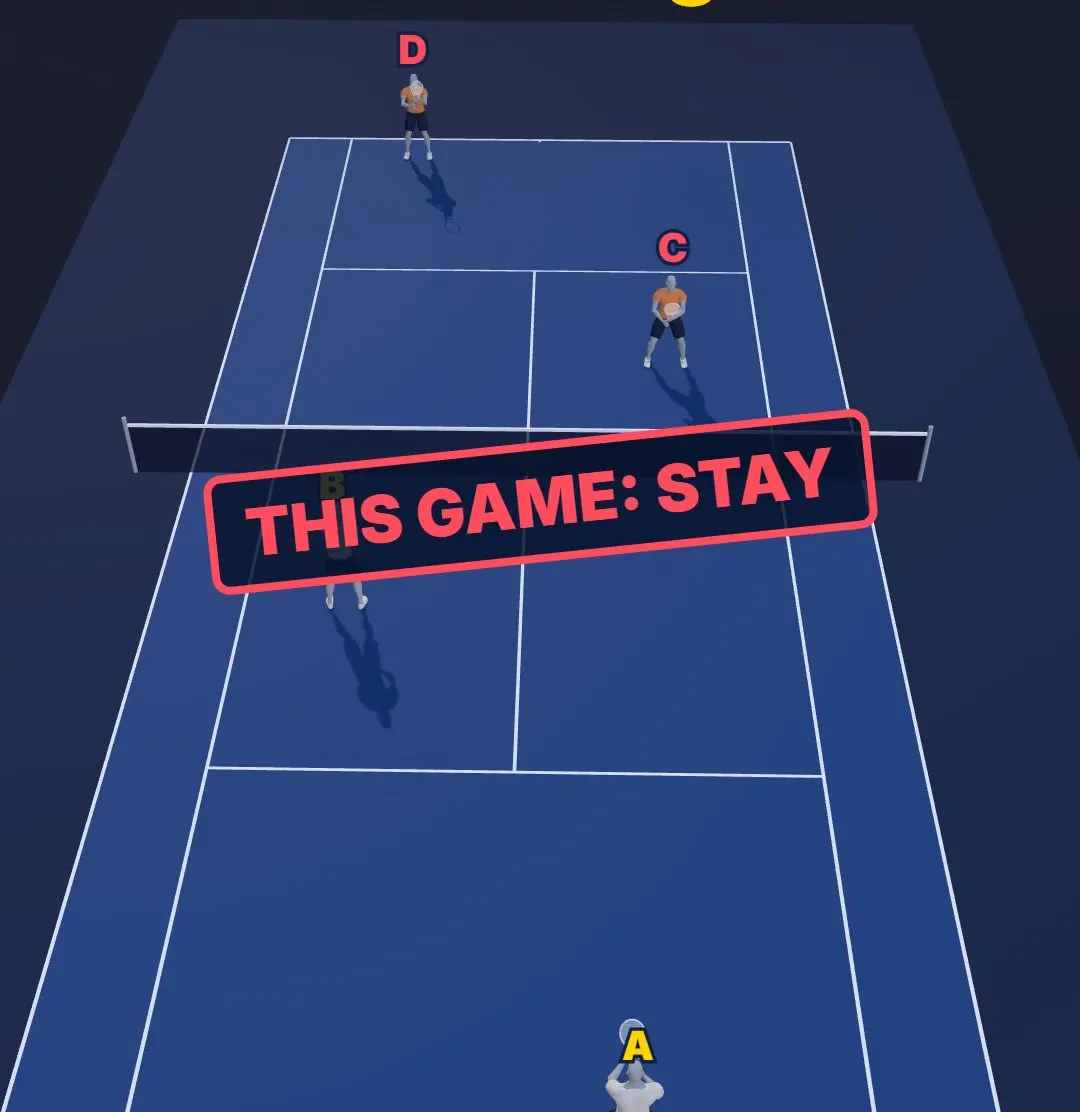
Figure 3. The receivers are in the wrong order. They stay that way to the end of the game, then swap back the next game they receive.
Three ways to make it worse
- Replaying the points. Every point already played stands.
- Swapping the receivers mid-game. The wrong order lasts until the game ends.
- Fixing the score from memory. Rule 27 fixes the order, not the score. If you can’t agree on what was played, keep every point and game you both agree on and replay only the disputed ones.2
Try it this week: the order note
At the start of each set, each team says who serves first and who receives the first point. Rules 14 and 15 let each team decide.1 Type both orders into a note on your phone. The next time two players argue about whose turn it is, read it out.
References
-
International Tennis Federation, Rules of Tennis 2026: Rule 27 (Correcting errors), first paragraph (all points already played stand), 27(c) (serving out of turn; in doubles a fault already served stands; if the game was completed the altered order stays) and 27(e) (receiving out of order); Rule 14 (order of service) and Rule 15 (order of receiving in doubles). https://www.itftennis.com/media/7221/2026-rules-of-tennis-english.pdf ↩ ↩2 ↩3 ↩4 ↩5 ↩6 ↩7 ↩8
-
United States Tennis Association, Friend at Court 2026, Part 2 “The Code” (the players’ guide for matches without officials): item 32 (settling score disputes by keeping what both players agree on). https://www.usta.com/content/dam/usta/coach-organize/content-fragments/resource-library/assets/pdfs/friend-at-court.pdf ↩