Rules & etiquette · Serve rules
Net cord on your second serve: one serve or two?
The same word, 'let,' can leave you one serve or two. Which one depends on when it's called, and some formats skip the replay entirely.
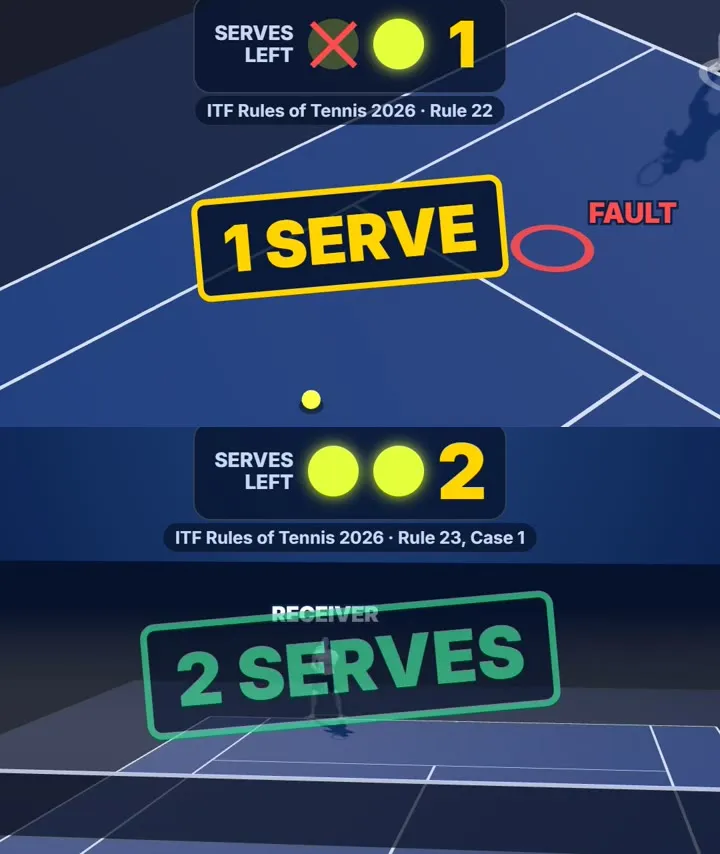
Figure 1. Our 3D scene, one word, two answers: after a net-cord let on a second serve (top) one serve is left; after a stray ball mid-point (bottom), two.
Which let did you get?
Your first serve is long. Your second clips the net and drops into the box. “Let!” Your opponent says you get two serves. You say one.
You’re right. A serve that touches the net, strap or band (the white strip along the top, what players call the net cord) and is otherwise good is a service let. That serve doesn’t count and you serve again, but a service let does not cancel a previous fault.1 One serve left, and miss it and you’ve served two faults in a row, which loses the point.2
Now change one thing. In the middle of the rally, a ball from the next court rolls onto yours. “Let!” Who’s right now?
Your opponent. Any other let replays the whole point, and the rule’s own example is this one: the server had served a fault, another ball rolled onto the court, and the decision is a first serve.3
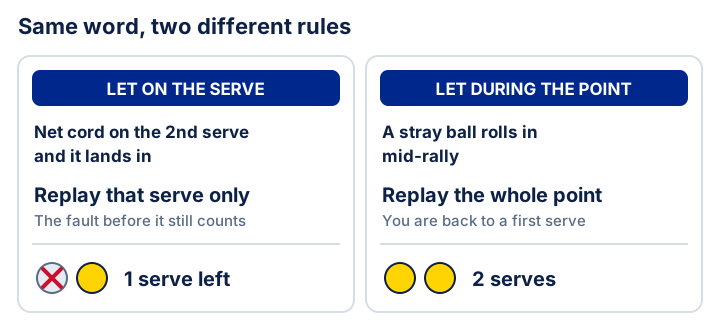
Figure 2. Same word, two answers. What counts is when the let happens.
What is the rule behind it?
One line: a let replays the whole point, except a service let on a second serve.3 On a first serve the two agree. There is no fault to keep, so you simply serve again.
The net cord isn’t the only service let. Serving before the receiver is ready is one, and so is a net-cord serve that then touches the receiver or the receiver’s partner before it lands.1
Does every match replay a net-cord serve?
No. Some events play without the service let, and there a serve that touches the net, strap or band is simply in play.4 The ITF lists this “No Let” rule as an approved alternative, so check the format before you argue.
Three calls that go wrong
- Two serves after a net-cord let on the second serve. It’s one serve, and the fault stands.
- One serve after a stray ball mid-point. The whole point is replayed, so you start again with a first serve.
- Arguing about a net-cord serve in a no-let format. There it’s just in play.
Before the next toss, say which let it was and how many serves are left. It takes five seconds and ends the argument.
References
-
International Tennis Federation, Rules of Tennis 2026, Rule 22 (The Let During a Service), p. 9: the service is a let if (a) the ball served touches the net, strap or band and is otherwise good, or after touching them touches the receiver or the receiver’s partner (or anything they wear or carry) before hitting the ground, or (b) the ball is served when the receiver is not ready; in the case of a service let that service does not count and the server serves again, but a service let does not cancel a previous fault. https://www.itftennis.com/media/7221/2026-rules-of-tennis-english.pdf ↩ ↩2
-
International Tennis Federation, Rules of Tennis 2026, Rule 24(a) (Player Loses Point), p. 10: the point is lost if the player serves two consecutive faults. https://www.itftennis.com/media/7221/2026-rules-of-tennis-english.pdf ↩
-
International Tennis Federation, Rules of Tennis 2026, Rule 23 (The Let), p. 9: in all cases when a let is called, except when a service let is called on a second service, the whole point shall be replayed. Case 1: when the ball is in play, another ball rolls onto court and a let is called after the server had served a fault; the server is entitled to a first service, because the whole point must be replayed. https://www.itftennis.com/media/7221/2026-rules-of-tennis-english.pdf ↩ ↩2
-
International Tennis Federation, Rules of Tennis 2026, Appendix VI (Alternative Procedures and Scoring Methods), p. 27, “No Let” rule: play without the service let in Rule 22(a), whereby a serve that touches the net, strap or band is in play. https://www.itftennis.com/media/7221/2026-rules-of-tennis-english.pdf ↩