Doubles · Returning team
Your partner is returning. Where do you stand?
You don't hit the return, but you make the service-line call and watch the first player who can attack. Here is where to stand and what to watch.
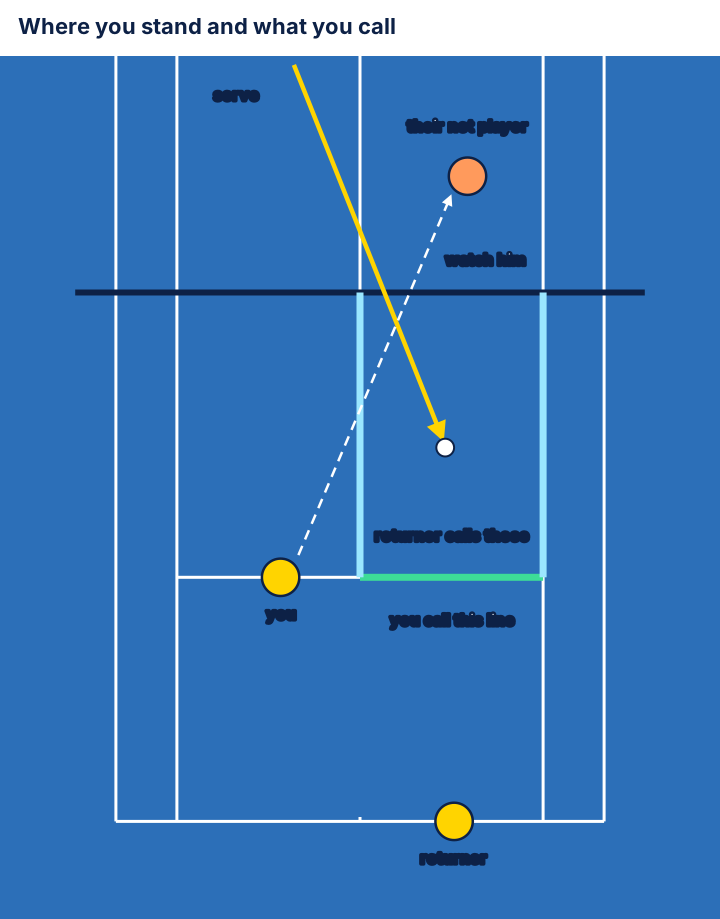
Figure 1. Green: the line you call. Light blue: the lines the returner calls. The spots are our drawing.
Where do you stand while your partner returns?
Your partner is about to return serve and you have no ball to hit. It feels like waiting. The LTA says it isn’t: doubles has four roles, the returner’s partner is one of them, and all four players have to stay active.1
Coaches agree on the area. A USPTA coach’s 1997 column says the service line, more toward the middle of the court, which steers the opposing net player’s shots toward the outer part of your side, a lower-percentage shot.2 An LTA coach says the back of the service box, in the centre, so you can still defend the middle if the returner doesn’t go crosscourt.3
The rules don’t fix your spot. The receiver’s partner may stand anywhere on their own side of the net, inside or outside the court, as long as they don’t hinder the opponents.4
Okay, you’re in place. What’s your job?
What do you call?
The service line. The USTA’s Code says the receiver’s partner should call the service line, and the receiver should call the sideline and the centre service line. Either of you may call a ball that you clearly see.5 The 1997 column agrees: balls landing behind the service line are yours to call out.2
Who do you watch?
Not the ball. Once the serve has bounced in, the same column says to watch the opposing net player, and never to watch your partner’s return. The reason: the first player who can attack after the return is that net player.2
Then react (Figure 2). After a low, aggressive crosscourt return, move in a few steps. After a weak, high return, hold your position. If the net player keeps attacking while you stand at the service line, fall back to the baseline alongside the returner.2
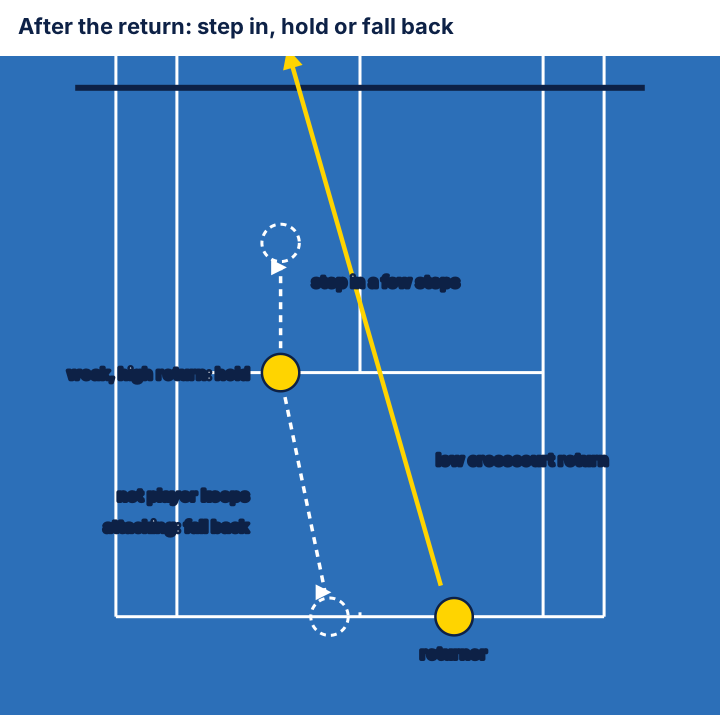
Figure 2. Three replies from the service line, all from the 1997 column.
Three spots where you hurt your partner
- Watching your partner’s return. The ball isn’t the danger. The net player is.
- Standing right at the net next to your partner. The LTA coach wants you staggered with the returner, around the service line, to cover a lob.3
- Staying put under attack. If the net player keeps attacking, fall back.2
Try it this week: eyes on the net player
Three players: a server, a returner and you at the service line.
- As soon as the serve bounces in, look at the opposing net player and keep looking.
- Say “in”, “hold” or “back” as the return leaves the racket.
- Move to match, then play the point out. Swap roles every five serves.
References
-
LTA, “Essential doubles tactics and hand signals” (coach Matt Smith), ‘Positioning and movement at the net’: four roles in doubles (server, server’s partner, returner, returner’s partner); all four players need to be active throughout the point. https://www.lta.org.uk/play/tennis-tips-and-techniques/essential-doubles-tactics-and-hand-signals/ ↩
-
John Mills (USPTA), “Your Role as the Returner’s Partner,” Tennis Server (Tennis Anyone column), March 1997. Stand at the service line, toward the middle; call balls behind the service line out; watch the opposing net player once the serve is in; step in, hold or fall back depending on the return. A coach’s advice from 1997; no data are cited. http://www.tennisserver.com/Mills-tip/Mills-tip_3_97.html ↩ ↩2 ↩3 ↩4 ↩5
-
LTA, “Four easy fixes to help you win more doubles matches” (coach Sophie Cockell, LTA Level 4). Receiving side: stand at the back of the service box in the centre; stagger with your partner around the service line to cover a lob. https://www.lta.org.uk/advantage-home/content/four-easy-fixes-to-help-you-win-more-doubles-matches/ ↩ ↩2
-
International Tennis Federation, Rules of Tennis 2026, Rule 26 (Hindrance), Case 5: the server’s partner and the receiver’s partner may take any position on their own side of the net, inside or outside the court; the hindrance rule applies if they hinder the opponents. https://www.itftennis.com/media/7221/2026-rules-of-tennis-english.pdf ↩
-
USTA, Friend at Court 2026, The Code, principle 25 (Service calls in doubles): the receiver’s partner should call the service line, the receiver the sideline and the center service line; either partner may call a ball that either clearly sees. https://www.usta.com/content/dam/usta/coach-organize/content-fragments/resource-library/assets/pdfs/friend-at-court.pdf ↩