Doubles · Formations
Your partner got pulled wide. Where do you go?
Slide to the middle and your alley is open. Fine: an LTA coach says two passing shots in five would make an opponent the best in Britain.
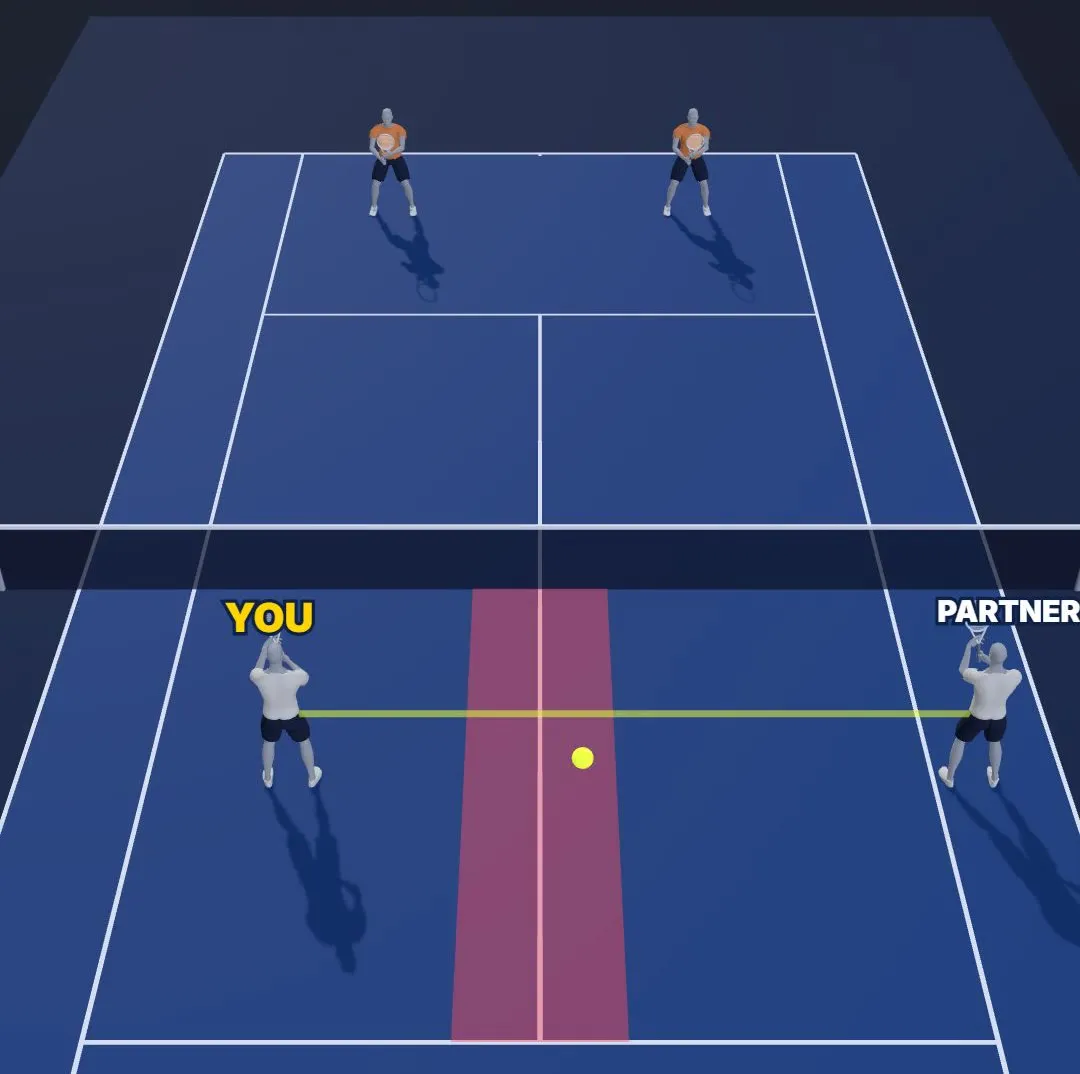
Figure 1. Your partner is out wide and you stayed put. The red strip is the middle: nobody is home.
What happens if you stay where you are?
Your partner has just been dragged into the alley to dig out a ball. You’re still standing where you started. Between the two of you is a hole, and the next ball can go straight through it.
In our drawing you start 5.2 m apart. Your partner steps 1.9 m wide. If you stay put, the gap becomes 7.1 m (Figure 2).
The LTA’s rule is one line: if your partner pushes out wide, you come toward the middle to cover it; if they squeeze in, you can push out more. Doubles players, it says, have to move in tandem.1
But if you slide, what about your own alley?
Isn’t your alley open now?
It is, and that’s the trade. LTA coach Louis Cayer’s yardstick for passing shots: make two of five and you’d be the best in Britain.2 Another coach puts it as a swap: however much room you give up down the alley, you take away across the middle, and the other way round.3
So you give up the harder shot to take away the easier one.
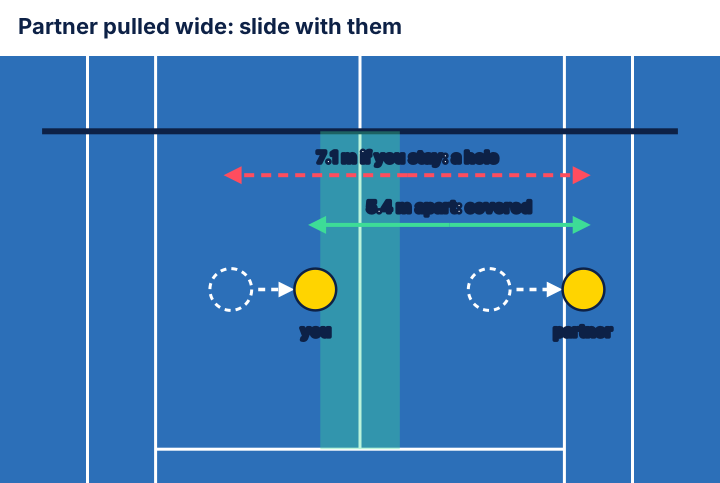
Figure 2. Our drawing: your partner moves 1.9 m, you move 1.7 m. The gap stays near 5 m and the green middle is covered.
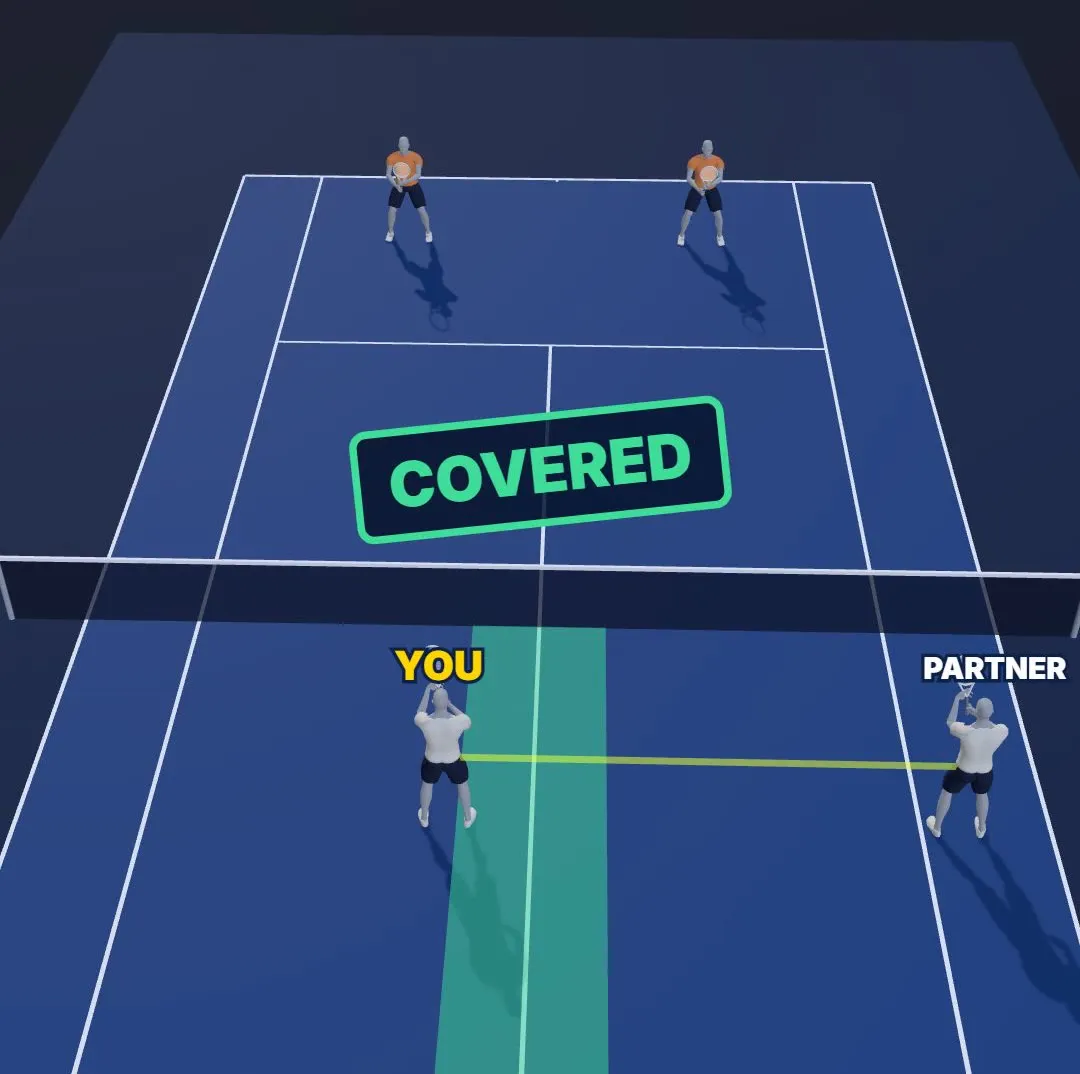
Figure 3. The same moment with the slide: covered.
And when your partner comes back? The same rule runs the other way: you push back out.
Three ways the slide goes wrong
- Waiting to see where the ball goes. Move when your partner moves, not after. That’s what “in tandem” means.
- Following your partner out to the alley. You slide to cover the gap, not to join the rescue.
- Staying in the middle when your partner squeezes back in. The LTA says that’s your cue to push out more.1
Try it this week: the rope drill
Two players at the net, a feeder at the baseline with a basket.
- Imagine a 5 m rope between you. Wherever one goes, the other follows.
- The feeder sends a ball wide to one of you, then one through the middle. The pair has to cover both.
- Score 1 point each time the middle ball is covered. Swap sides after 10 balls.
How we got the numbers
The distances come from our lesson animation. Both players start 2.6 m either side of the centre line and about 3 m from the net. The partner is pulled out to 4.5 m from the centre line, and you slide to 0.9 m on your side of it. Real net pairs vary; read them as the shape of the move.
References
-
LTA, “Essential doubles tactics and hand signals” (coach Matt Smith), ‘Positioning and movement at the net’: move with your partner; if they push out wide, come toward the middle to cover it; if they squeeze in, push out more; doubles players move in tandem. https://www.lta.org.uk/play/tennis-tips-and-techniques/essential-doubles-tactics-and-hand-signals/ ↩ ↩2
-
LTA, “Coach Forums 2023: Doubles,” slide “Fears to overcome for recreational players (from Louis)”: Louis Cayer on passing shots down the line (“If you make 2/5 passing shots, you’d be the best in Britain”). https://www.lta.org.uk/4a890f/siteassets/coach-hub/resources/off-court/pdf/coach-forums-2023---doubles.pdf ↩
-
Kathy Krajco, “The Doubles Angle of Return,” Tennis Server (Wild Cards), February 2004. For a net player, room given up down the alley is room taken away across the centre, and vice versa. https://www.tennisserver.com/wildcards/wildcards_04_02.html ↩