Rules & etiquette · Net and body
You caught a ball that was going out. Whose point?
Touch a ball that's clearly going out and the point is theirs. Here's what to do instead, and what happens when a serve hits your partner.
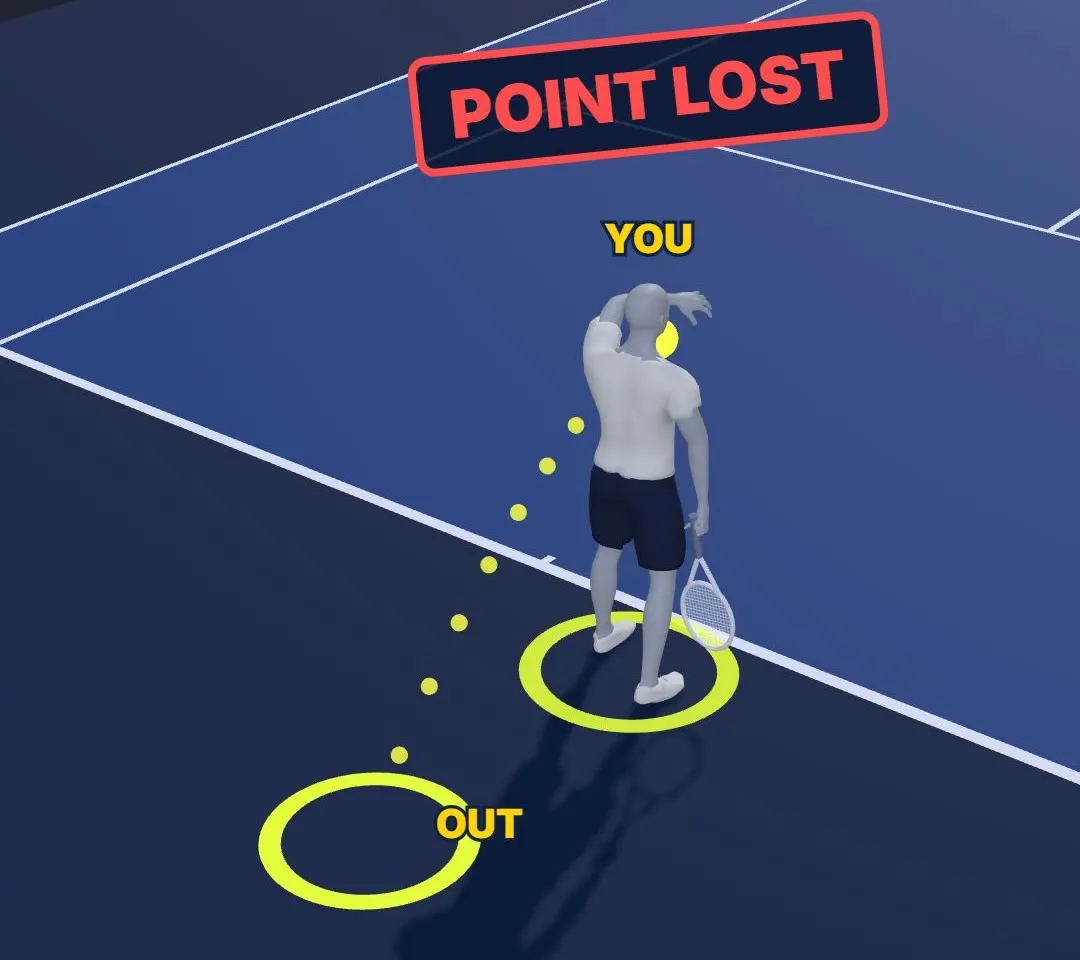
Figure 1. From our lesson’s 3D scene: the ball was flying out, the player caught it, and the point is lost.
Why does a free point turn into a lost one?
You’re behind your baseline and their shot is flying long. It’s out for sure, so you put a hand up, catch it and call “out.” Your point?
Theirs. If a ball in play touches you, or anything you wear or carry except your racket, you lose the point.1 The rules even cover your excuse: a player who catches a ball before it bounces and claims the point because it was definitely going out loses the point.1 Only a racket volley is different: if it makes a good return, play simply continues.
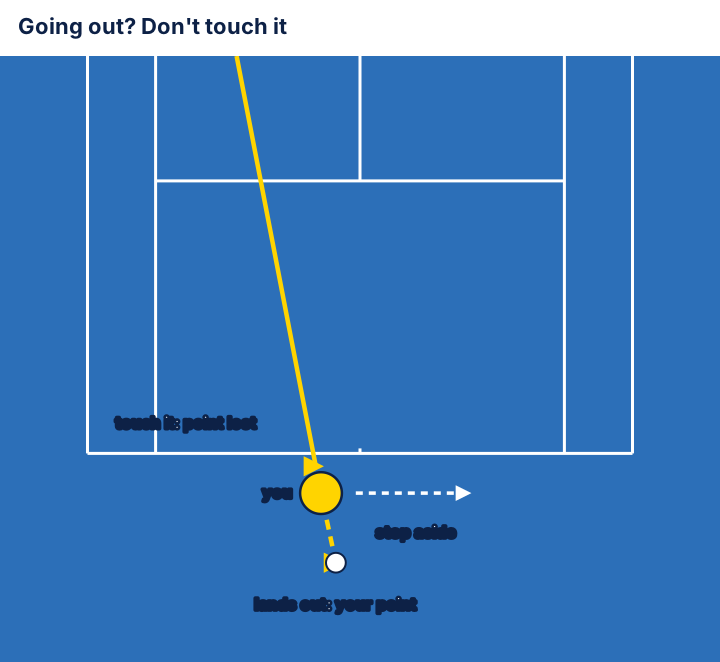
Figure 2. Catch it (solid line) and you lose the point. Step aside and it lands out, and the point is yours.
That reflex feels polite, and it costs you the point. So what do you do with a ball you know is out?
What do you do with a ball that’s clearly out?
Get out of its way. Step aside, let it bounce, then make your call. Dodging is allowed. Touching is not.
“Anything you wear” is not a figure of speech: a ball that clips your cap or your shirt sleeve is just as bad as a catch. Your racket is the only thing that may touch it, and only to hit it: deliberately catching or carrying the ball on the racket loses the point too.1
Does it work the same in doubles?
Yes, and it catches people at the net. The receiver’s partner may stand anywhere on their own side of the net,2 but if a serve hits the receiver, or that partner, before it bounces, the server wins the point.3 The one exception is a serve that clipped the net first. That is a service let, and the serve is replayed.3
The mirror image works differently. If your own serve hits your partner, it is a service fault.4
Three reflexes that cost you the point
- Catching it to be helpful. However far out it is, the point is theirs.
- Forgetting what you’re wearing. Cap, shirt, shorts: all of it counts as you.
- Standing still at the net in doubles. A serve that hits you is the server’s point.
References
-
International Tennis Federation, Rules of Tennis 2026, Rule 24 (Player Loses Point), p. 10: (i) the point is lost if the ball in play touches the player or anything the player is wearing or carrying, except the racket; (f) it is also lost if the player deliberately carries or catches the ball on the racket. Rule 24, Case 8, p. 11: a player standing outside the court who hits the ball or catches it before it bounces and claims the point because it was definitely going out loses the point, unless it is a good return, in which case the point continues. https://www.itftennis.com/media/7221/2026-rules-of-tennis-english.pdf ↩ ↩2 ↩3
-
International Tennis Federation, Rules of Tennis 2026, Rule 26 (Hindrance), Case 5, p. 12: the server’s partner and the receiver’s partner may take any position on their own side of the net, inside or outside the court. https://www.itftennis.com/media/7221/2026-rules-of-tennis-english.pdf ↩
-
International Tennis Federation, Rules of Tennis 2026, Rule 24, Case 7, p. 11: a ball that has just been served hits the receiver or, in doubles, the receiver’s partner before it touches the ground: the server wins the point, unless it is a service let. Rule 22(a), p. 9: a serve that touches the net, strap or band and then touches the receiver or the receiver’s partner before hitting the ground is a service let. https://www.itftennis.com/media/7221/2026-rules-of-tennis-english.pdf ↩ ↩2
-
International Tennis Federation, Rules of Tennis 2026, Rule 19(d) (Service Fault), p. 9: the service is a fault if the ball served touches the server or the server’s partner, or anything either is wearing or carrying. https://www.itftennis.com/media/7221/2026-rules-of-tennis-english.pdf ↩